A young engineer once joined a phone factory and heard two teams talk about their jobs each day. One team said, “We build the steps so phones come out right.” The other team said, “We check each phone once it’s built.” He asked his boss, “Wait, isn’t that the same job?” His boss smiled and said, “No. One team is QA, and the other is QC.” This mix-up happens a lot in the work world. The difference between QA and QC may seem small, but it shapes how firms build safe, strong goods. Knowing QA vs QC helps workers, bosses, and buyers trust what they use each day.
Key Difference Between QA and QC
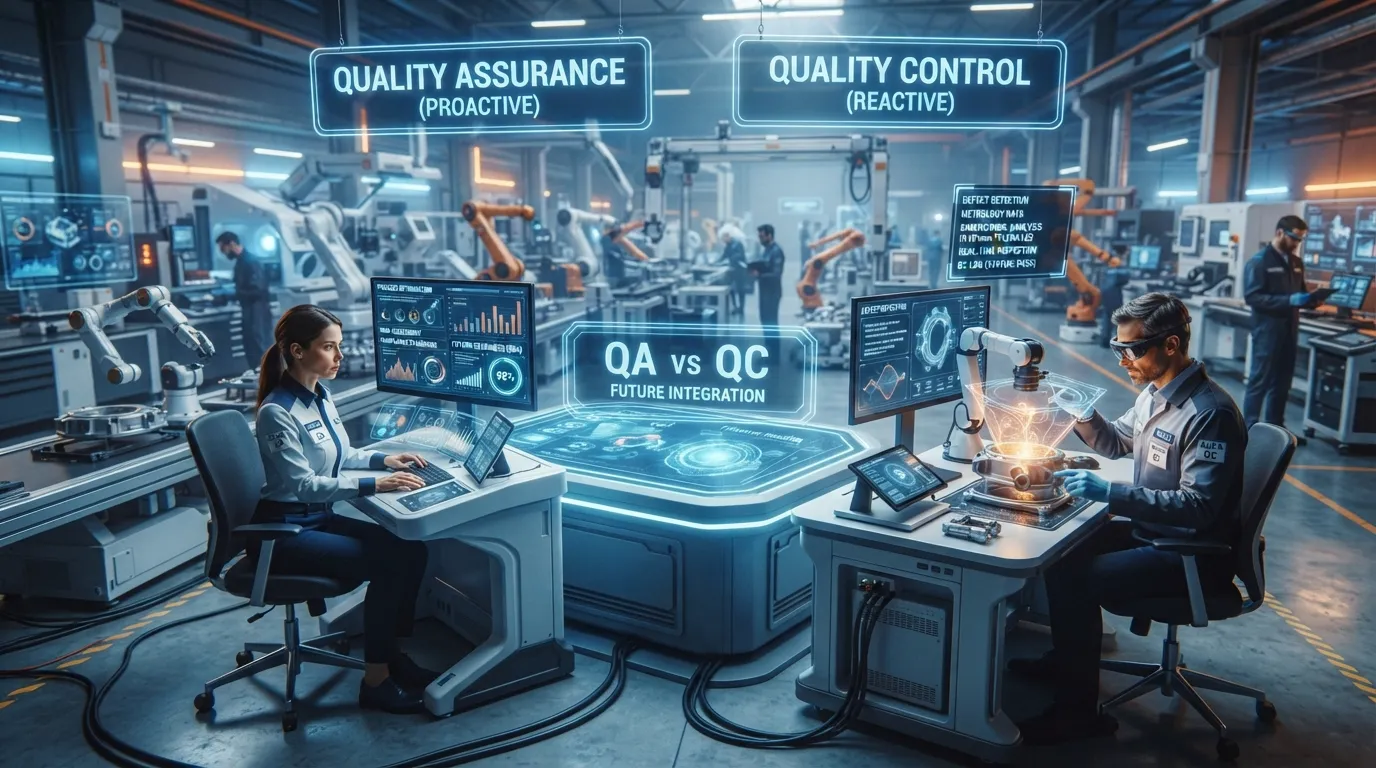
The main difference between QA and QC lies in when each one acts. QA, or Quality Assurance, works before and during the build. It sets up steps to stop flaws before they start. QC, or Quality Control, works after the build. It checks the final goods to catch any flaws that got through. QA stops problems early; QC catches problems late.
Why This Difference Matters
Knowing QA vs QC matters a lot for workers, firm owners, and buyers alike. When teams mix up these two roles, firms waste time, money, and trust. A car with a hidden flaw, or a drug with a bad batch, can harm real people if QA and QC do not do their jobs well. For society, strong QA and QC keep goods safe, keep trust high, and keep firms honest about what they sell.
Pronunciation
| Word | US | UK |
| QA | “Q-A” (say each letter) | “Q-A” (say each letter) |
| QC | “Q-C” (say each letter) | “Q-C” (say each letter) |
Difference Between QA and QC
- Main Goal QA works to stop flaws before they start. QC works to catch flaws after the fact. Example 1: A QA team sets clear steps for how a phone should be built. Example 2: A QC team checks a finished phone to see if it works right.
- When It Happens QA acts before and during the build. QC acts after the build is done. Example 1: A QA plan gets set up before the first phone is made. Example 2: A QC check happens once the phone rolls off the line.
- Focus QA focuses on the process, or the steps used to build a thing. QC focuses on the product, or the thing itself. Example 1: QA checks if staff follow the right steps each time. Example 2: QC checks if the finished phone turns on and works.
- Type of Work QA work is about planning and set up. QC work is about testing and checking. Example 1: A QA team writes rules for how staff should build each part. Example 2: A QC team tests each part to see if it meets those rules.
- Who Is Involved QA often involves the whole team, since it shapes how work gets done. QC often involves a smaller, focused team that checks the final goods. Example 1: A QA plan may involve staff from design, build, and shipping. Example 2: A QC team may just be a few staff who test each item.
- Goal Type QA is proactive, which means it acts ahead of time. QC is reactive, which means it acts after a flaw may have formed. Example 1: QA sets rules early so fewer flaws form in the first place. Example 2: QC finds a cracked screen after the phone has already been made.
- Tools Used QA uses plans, rules, and process checks. QC uses tests, tools, and hands-on checks. Example 1: A QA team uses a checklist to plan each build step. Example 2: A QC team uses a test machine to check each phone’s screen.
- Result When It Fails When QA fails, flaws tend to show up often, since the root cause was not fixed. When QC fails, a flawed item may reach the buyer. Example 1: Weak QA lets the same flaw show up again and again. Example 2: Weak QC lets one bad phone slip out to a store shelf.
- Long-Term Effect QA aims to fix the root cause so future goods turn out well. QC aims to stop one bad item from reaching a buyer right now. Example 1: QA changes the build steps so future phones have fewer cracks. Example 2: QC pulls one cracked phone off the line before it ships.
- Level of Detail QA looks at the big picture across the whole build system. QC looks at fine detail on each single item. Example 1: QA checks if the whole factory follows safe, clear steps. Example 2: QC checks if this one phone has a scratch or a dead pixel
How They Act
QA: QA acts like a careful planner. It works quietly in the background, setting up rules and steps so the whole team builds things the right way from the start.
QC: QC acts like a sharp-eyed checker. It steps in near the end, testing and checking each item closely to catch any flaw before it reaches a buyer.
Read more about https://comparificationn.com/difference-between-evaporation-and-boiling/
Why People Mix Them Up
People mix up QA and QC because both aim for the same goal: good, safe, well-made goods. Both terms get used loosely in daily work talk, and many small firms have one team do both jobs at once. Since the two roles often work side by side, and their names sound alike, it’s easy to blur the line between them.
Comparison Table
| Feature | QA | QC |
| Full name | Quality Assurance | Quality Control |
| Main goal | Stop flaws before they start | Catch flaws after the build |
| Timing | Before and during build | After build |
| Focus | Process | Product |
| Type | Proactive | Reactive |
| Tools | Plans, rules, checklists | Tests, hands-on checks |
| Team size | Often broad, whole team | Often small, focused team |
| Fixes | Root cause | Single flawed item |
| Detail level | Big picture, whole system | Fine detail, single item |
| Shared goal | Safe, strong goods | Safe, strong goods |
Which Fits Which Case?
When QA fits: If a firm wants fewer flaws over time and a stronger build process, QA is the right focus. Firms just starting out, or those with frequent, repeat flaws, gain the most from a strong QA setup that fixes root causes early.
When QC fits: If a firm needs to make sure each single item that ships is safe and sound, QC plays the key role. Firms that make items with high risk, like drugs or car parts, lean hard on QC to catch any flaw before it reaches a buyer.
Metaphors and Similes
- “QA is the safety net that catches flaws before they fall” — means it stops problems early.
- “QC checks each item like a hawk watching its prey” — means it looks closely and misses little.
- “Their QA process runs like a well-oiled machine” — means it works smoothly and with few hitches.
- These terms are work-based words, so they mostly show up in business talk, not in daily speech.
Connotative Meanings
QA:
- Positive: “Our QA team saved us from a big recall” — means it helped a lot.
- Neutral: “The QA team meets each Monday to review steps” — just states a fact.
- Negative (rare): “The QA rules slow us down too much” — means it feels like a burden.
QC:
- Positive: “QC caught the flaw before it shipped” — means it worked well.
- Neutral: “Each item goes through QC before it leaves the plant” — just states a fact.
- Negative (rare): “QC missed the crack, and the buyer was mad” — means it failed at its job.
Idioms and Proverbs
QA and QC are modern work terms, so no old idioms or proverbs exist just for them. That said, they connect well to common sayings:
- “An ounce of prevention is worth a pound of cure” — “Strong QA is like an ounce of prevention, worth a pound of cure.”
- “The devil is in the details” — “QC teams know that the devil is in the details when they check each item.”
Books and Movies
QA and QC are work terms, not story topics, so they rarely show up by name in books or films. A few works do touch on the wider idea of quality in work:
- Zen and the Art of Motorcycle Maintenance — novel, Robert M. Pirsig, 1974 (touches on the deep idea of quality itself)
- The Toyota Way — business book, Jeffrey Liker, 2004 (touches on strong process and quality steps close to QA ideas)
No known films are built around QA or QC directly, since these are back-office work terms, not common story themes.
Five Common Questions
1. Can one team do both QA and QC? Yes. Small firms often have one team handle both roles, though large firms tend to split them into two clear teams.
2. Which comes first, QA or QC? QA comes first, since it sets up the build steps. QC comes later, once the item is built and ready to be checked.
3. Is QC only about testing? Mostly, yes. QC centers on hands-on tests and checks, though it can also involve tools and machines that test for flaws.
4. Does QA replace the need for QC? No. Even with strong QA, some flaws can still slip through, so QC still plays a key role in catching what QA may have missed.
5. Which one costs more to run? This shifts by firm and field. QA often costs more early on, due to planning, while QC often costs more when testing high-risk goods, like drugs.
How Both Help Us
QA and QC help keep the goods we use each day safe and sound. QA cuts down on waste and repeat flaws, which saves firms money and time. QC catches flaws before they reach us, which keeps buyers safe from harm. Together, they help build trust between firms and the people who buy from them, which helps trade and daily life run more smoothly.
Final Words
QA stands for care and planning that shapes how work gets done. QC stands for close checks that catch flaws before they reach a buyer. Both roles serve a firm in their own way, and knowing when each one steps in can shape how safe and strong the final goods turn out to be.
Conclusion
Difference between QA and QC comes down to timing and focus. QA works early to shape a strong build process, while QC works late to catch flaws in the final goods. Both roles matter, but they solve the problem from two different ends. Knowing QA vs QC helps workers, bosses, and buyers understand how safe, well-made goods come to be. Whether you work in a factory, study business, or just want to know how your goods get made, understanding QA and QC gives you a clear view of how quality gets built and checked, step by step.

I’m Zahid Abbas, an educator, researcher, and digital publishing strategist with a passion for linguistics, grammar, and clear communication. As a content creator and SEO specialist, I craft research-driven, reader-focused content that empowers learners and makes knowledge accessible worldwide.